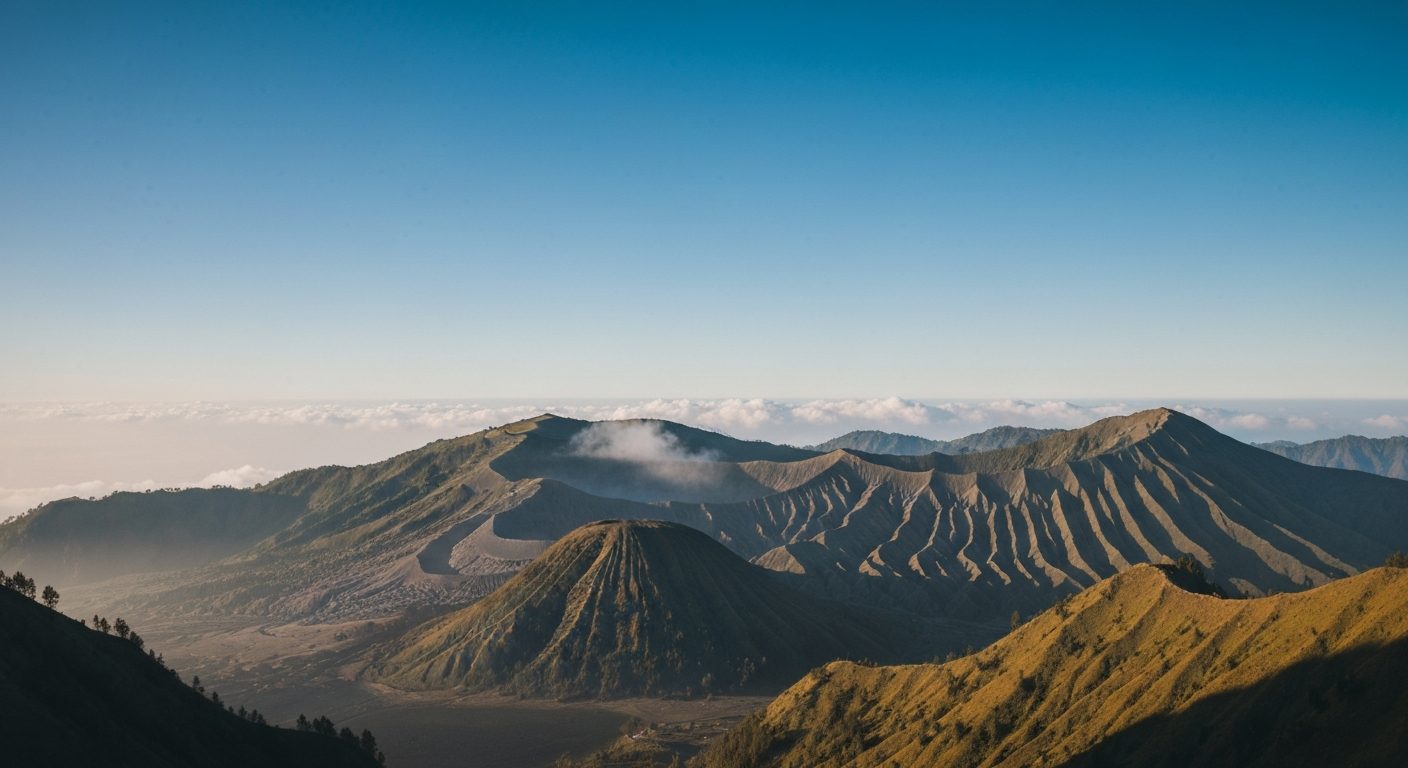
Navigating the iconic landscapes of Mount Bromo and Mount Ijen is a dream for many visitors to East Java, but a common and important question I hear is: is Bromo volcano safe for tourists? As a researcher who spends much of my time on these mountains, I can tell you that for most healthy individuals, these tours are safely completed every day. Similarly, is Mount Ijen safe for tourists? The answer is also yes, provided you understand and respect its specific challenges, primarily Mount Ijen sulfur dioxide gas health risks.
Both Bromo and Ijen offer incredible experiences, but they are active volcanoes and come with inherent, manageable risks. Understanding these realities, from high-altitude effects to volcanic gases and ground safety, is key to a comfortable and secure journey. This guide offers practical, ground-tested information to help you arrive prepared and choose a tour that prioritizes your well-being.
Understanding the Real Risks: Bromo & Ijen Volcano Safety
While the images of Bromo’s moon-like caldera and Ijen’s electric blue flames are captivating, it’s crucial to be aware of the specific safety considerations for each. These are not theme parks; they are natural environments.
Mount Ijen: Navigating Sulfur Dioxide Gas Health Risks
Ijen’s unique “blue fire” phenomenon is caused by burning sulfur gases. This makes the mount Ijen sulfur dioxide gas health risks the most significant safety concern here.
- Sulfur Dioxide (SO2) Gas: This gas is released naturally from the Ijen crater. It has a pungent, rotten-egg smell and can cause irritation to the eyes, nose, throat, and respiratory system. Exposure can lead to coughing, shortness of breath, and chest tightness.
- Blue Fire Viewing Area: To see the blue fire, visitors descend into the crater before dawn. This area is where SO2 concentrations are highest, especially if the wind shifts or is calm.
- Respiratory Protection: An Ijen blue fire respiratory protection gas mask is not just recommended; it is absolutely mandatory for anyone descending into the crater. Not all masks are created equal. A proper industrial-grade respirator mask with P3 or N95 filters is essential. Cheap paper or surgical masks offer no protection against SO2 gas. Your tour operator should provide these and ensure they fit correctly.
- Eye Irritation: SO2 can cause severe eye irritation, leading to watering and discomfort. Wearing glasses or goggles can offer some protection, but a well-sealed gas mask will cover both.
- Descent and Ascent: The path into and out of the crater is steep, rocky, and can be slippery, especially in the dark. Good physical condition is required.
Mount Bromo: Altitude, Ash, and Jeep Tour Safety
Bromo presents a different set of challenges, primarily related to its altitude, the ever-present volcanic ash, and the logistics of getting there.
- Bromo Altitude Sickness Symptoms and Prevention: Mount Bromo’s caldera sits at an elevation of approximately 2,329 meters (7,641 feet) above sea level. The famous sunrise viewpoints, like Penanjakan 1, are even higher, around 2,770 meters (9,088 feet). While not extremely high, this altitude can be enough to cause mild altitude sickness symptoms for some individuals.
- Symptoms: Common bromo altitude sickness symptoms include headache, nausea, dizziness, fatigue, and shortness of breath. These are usually mild and improve with rest.
- Prevention:
- Acclimatization: If possible, spend a day at a lower elevation before ascending.
- Hydration: Drink plenty of water. Avoid alcohol and excessive caffeine.
- Pacing: Take your time, especially when walking up to the crater rim. Don’t rush.
- Listen to Your Body: If you feel unwell, descend to a lower altitude or rest.
- Volcanic Ash Respiratory Health Risks Java: Bromo is an active volcano. Even when quiet, it frequently emits steam and fine ash. This means volcanic ash respiratory health risks Java are a constant consideration.
- Irritation: The fine ash particles can irritate the eyes, nose, and throat.
- Air Quality: Mount Bromo air quality volcanic gas safety can fluctuate. While significant toxic gas emissions are less common than at Ijen, the air can be dusty.
- Protection: A simple surgical mask or bandana can help filter out dust and ash particles, providing some comfort. Glasses can protect your eyes.
- Bromo Jeep Tour Safety and Accident Risks: The journey to Bromo’s sunrise viewpoints and then across the “Sea of Sand” to the crater base is done by 4×4 jeep.
- Road Conditions: The tracks can be rough, dusty, and sometimes steep.
- Traffic: During peak season, there can be many jeeps, leading to congestion and potential for minor incidents if drivers are not careful.
- Driver Experience: The experience and professionalism of your driver are paramount for bromo jeep tour safety and accident risks. Reputable tour operators work with vetted, licensed drivers who know the terrain well.
- Vehicle Maintenance: Ensure the jeep looks well-maintained. Seatbelts are not always present or functional in older jeeps, but it’s always worth checking.
Java Volcano Tour with Asthma or Respiratory Conditions
For travelers with pre-existing health concerns, particularly java volcano tour with asthma or respiratory conditions, extra caution and medical consultation are essential.
- Asthma, Allergies, COPD: Individuals with these conditions are more susceptible to irritation from volcanic ash and sulfur dioxide gas. Symptoms can be exacerbated.
- Heart Conditions: High altitude and physical exertion can strain the heart.
- Pregnancy: Pregnant individuals should exercise extreme caution and consult their doctor before considering these tours.
- My Recommendation: If you have any pre-existing respiratory, cardiac, or chronic health condition, you absolutely must consult your doctor before planning a Bromo or Ijen trip. They can advise you on the specific risks and whether these activities are safe for you. This guide provides general safety information, not medical advice.
How to Mitigate Risks: Your Safety Net
The good news is that most risks can be significantly reduced with proper preparation and by making informed choices.
The Role of an Expert-Guided Private Tour
Choosing an expert-guided private tour is arguably the single biggest risk reducer for your Bromo and Ijen experience.
- Correct Masks: A reputable guide ensures you have the correct, industrial-grade P3/N95 respirator mask for Ijen and knows how to fit it properly. They will also advise on masks for Bromo’s ash.
- Paced Timing: Guides understand the terrain and the effects of altitude. They will encourage a sensible pace, allowing you to rest when needed, reducing the risk of altitude sickness and exhaustion.
- Vetted Drivers & Vehicles: Tour operators like Bali Premium Trip work only with licensed, experienced drivers who maintain their vehicles. This minimizes the risks associated with jeep tours and transfers.
- Monitoring Official PVMBG Alerts: The Pusat Vulkanologi dan Mitigasi Bencana Geologi (PVMBG) is Indonesia’s official geological agency. They issue real-time alerts on volcano status.
- Alert Levels: Volcanoes have alert levels (Normal, Waspada, Siaga, Awas).
- Access Restrictions: Higher alert levels may lead to restricted access to the craters or even full closure of the national park.
- Your Guide’s Role: Expert guides are constantly monitoring these official alerts. If conditions are unsafe, they will inform you and adjust the itinerary, prioritizing your safety over adherence to a schedule. Always check current official volcano alert levels before travel.
- On-Ground Support: Having an experienced local guide means you have immediate assistance in case of any issues, big or small. They speak the local language, know the medical facilities, and can navigate unexpected situations.
- Weather Awareness: Guides are familiar with local weather patterns and can advise on the best times to visit and what to expect, though weather is never guaranteed.
Essential Gear & Preparation
Beyond choosing a good tour, your personal preparation makes a difference.
- Footwear: Sturdy, closed-toe walking shoes with good grip are essential for both volcanoes. Hiking boots are ideal.
- Warm Clothing: Even in tropical Indonesia, mornings at Bromo and Ijen are cold. Layering is key: thermal base layers, fleece, a windproof and waterproof outer jacket, gloves, and a hat. Temperatures can drop close to freezing at sunrise.
- Headlamp/Flashlight: Crucial for the pre-dawn hikes, especially for Ijen’s crater descent. Your guide might provide one, but having your own is wise.
- Sun Protection: Once the sun rises, UV exposure is high. Sunscreen, sunglasses, and a wide-brimmed hat are important.
- Hydration & Snacks: Bring plenty of water. High-energy snacks (nuts, energy bars) are useful.
- Personal Medications: Carry any personal medications you need, especially if you have asthma (inhaler) or allergies.
- Key Volcano Risks & Mitigation Strategies
-
- Mount Ijen Sulfur Dioxide Gas:
- Risk: Respiratory irritation, eye discomfort, potential for severe health issues in high concentrations.
- Mitigation: Use industrial-grade P3/N95 respirator mask with proper fit, avoid descending into crater against guide advice, monitor wind direction.
- Mount Bromo Altitude Sickness:
- Risk: Headaches, nausea, dizziness, fatigue, shortness of breath. Generally mild.
- Mitigation: Hydrate well, avoid alcohol, ascend slowly, listen to your body, communicate symptoms to guide.
- Volcanic Ash & Air Quality:
- Risk: Respiratory irritation, eye discomfort from fine particles.
- Mitigation: Wear a simple surgical mask or bandana, use sunglasses or glasses. Check PVMBG alerts for recent eruption activity.
- Jeep Tour Road Safety:
- Risk: Accidents due to rough terrain, crowded tracks, or inexperienced drivers.
- Mitigation: Choose reputable tour operators with vetted, licensed drivers and well-maintained vehicles.
- Slipping & Falls (Ijen Crater & Bromo Staircase):
- Risk: Injuries from uneven, steep, or wet paths.
- Mitigation: Wear sturdy, grip-soled shoes; use a headlamp; follow guide’s instructions; take your time.
Choosing Your Tour: Private vs. Group & What We Offer
While group tours can be more budget-friendly, the safety advantages of a private, expert-guided tour for Bromo and Ijen are significant.
- Private Tours: Offer flexibility, personalized pacing, direct communication with your guide, and the ability to customize your itinerary based on your fitness and comfort levels. This is particularly beneficial for managing altitude or gas exposure.
- Group Tours: Can be rushed, may not provide adequate quality masks for everyone, and drivers might be less vetted due to higher turnover. You move at the pace of the slowest or fastest member, not your own.
At Java From Bali, operated by Bali Premium Trip, we specialize in arranging private, expert-guided multi-destination tours. We map every route, from Ketapang ferry connections to overland transfers and flight options, and price every itinerary honestly. Our approach is built on safety and transparency:
- Licensed Local Guides: We ARRANGE licensed local guides who are intimately familiar with Bromo and Ijen. They are your eyes and ears on the ground, ensuring proper mask usage, advising on pacing, and monitoring official alerts. We disclose openly that we arrange these licensed partners rather than owning park concessions ourselves.
- Vetted Transfers: Our private transfers are with experienced, safe drivers in comfortable vehicles, reducing the bromo jeep tour safety and accident risks associated with less reputable transport.
- High-Quality Safety Gear: Your safety is paramount. We ensure the provision of correct, high-quality respiratory protection for Ijen.
- Flexibility & Support: Should PVMBG alerts change or conditions become unfavorable, our team and guides are equipped to adapt your itinerary with your safety as the priority. We also offer 24/7 support via WhatsApp.
For an indicative price range, a private 2-day Bromo-Ijen tour from Surabaya or Malang, including transfers, guide, accommodation, and entry fees, typically ranges from US$350-600 per person, based on two travelers, last verified June 2026. Prices vary by season, accommodation choice, and specific inclusions.
Final Thoughts: Prepare, Respect, Enjoy
Bromo and Ijen are truly extraordinary places. With proper planning, awareness of the risks, and the support of knowledgeable local guides, you can have a safe and incredibly rewarding experience. These are not passive viewing experiences; they require active participation and respect for the natural environment. Most healthy visitors do these tours safely every day.
Remember to prioritize your health, consult your doctor if you have underlying conditions, and always check the latest official volcano alert levels from PVMBG.
Ready to explore these East Java wonders with confidence and peace of mind? Our team is here to help you plan a tailored itinerary that puts your safety first.
Plan your trip with us today, or send a message via WhatsApp for personalized planning advice.
Frequently Asked Questions
What is the best season to visit Bromo and Ijen for safety?
The dry season, typically from April to October, is generally considered the best time to visit. Weather is more stable, with less rain, which reduces the risk of slippery paths and improves visibility. However, this is also peak season, meaning more crowds. During the wet season (November to March), conditions can be more challenging with heavy rain, fog, and potential for landslides, though the volcanoes remain open unless alerts dictate otherwise.
Can I do Bromo and Ijen if I have a cold or flu?
It is strongly advised to postpone your trip if you are experiencing a cold, flu, or any respiratory illness. The cold temperatures, physical exertion, volcanic ash at Bromo, and especially the sulfur dioxide gas at Ijen, will significantly worsen your symptoms and can pose a health risk. Wait until you are fully recovered.
Are there age restrictions for visiting Bromo or Ijen?
While there are no official strict age limits, tour operators often advise against bringing very young children (under 5-7 years old) or elderly individuals with mobility issues due to the physical demands, cold temperatures, and potential for gas exposure at Ijen. A reasonable level of fitness is required for both locations.
What should I do if the volcano alert level increases while I’m there?
If the official PVMBG volcano alert level for Bromo or Ijen increases to a level that restricts access or indicates danger, reputable tour operators and guides will immediately adjust your itinerary. This may mean alternative viewpoints, cancellation of crater access, or even a complete change of plans to ensure your safety. Always follow the instructions of your guide and local authorities.